


Push Notifications That Bring Users Back
Push notifications and realtime features keep users informed, increase return rates, and turn your app into a live channel rather than a static tool. Which push and realtime features make sense for your app and what clean opt-in looks like, we clarify with you up front.
The essentials of Push Notifications & Realtime
- Push notifications and realtime connections power chat, live updates and collaborative features – provided the infrastructure behind them is reliable.
- Push runs server-side via APNs and FCM with token management, segmented audiences and retry logic for failed deliveries.
- Relevance beats frequency: good push strategies segment, time and throttle deliberately, because every superfluous notification leads users to switch the channel off.
- Realtime features need WebSockets instead of polling, plus optimistic updates and clean reconnect handling, so the app feels like real time.
- The opt-in prompt works best once the user has just experienced the value, and all data has to be processed in line with GDPR.



Real App Successes
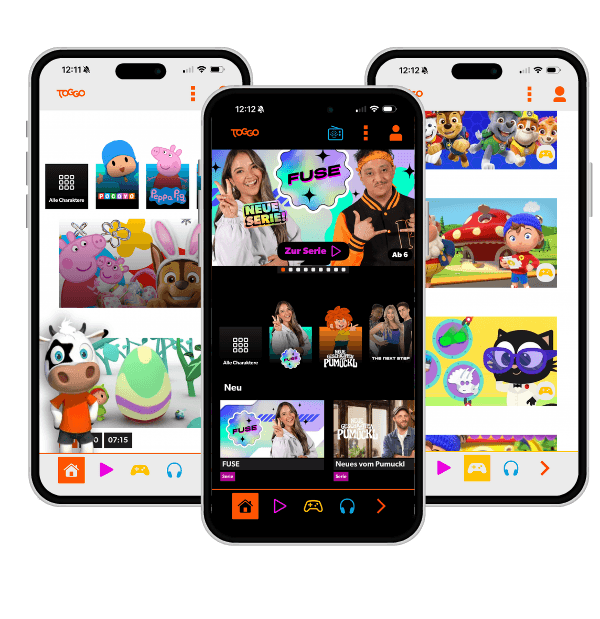
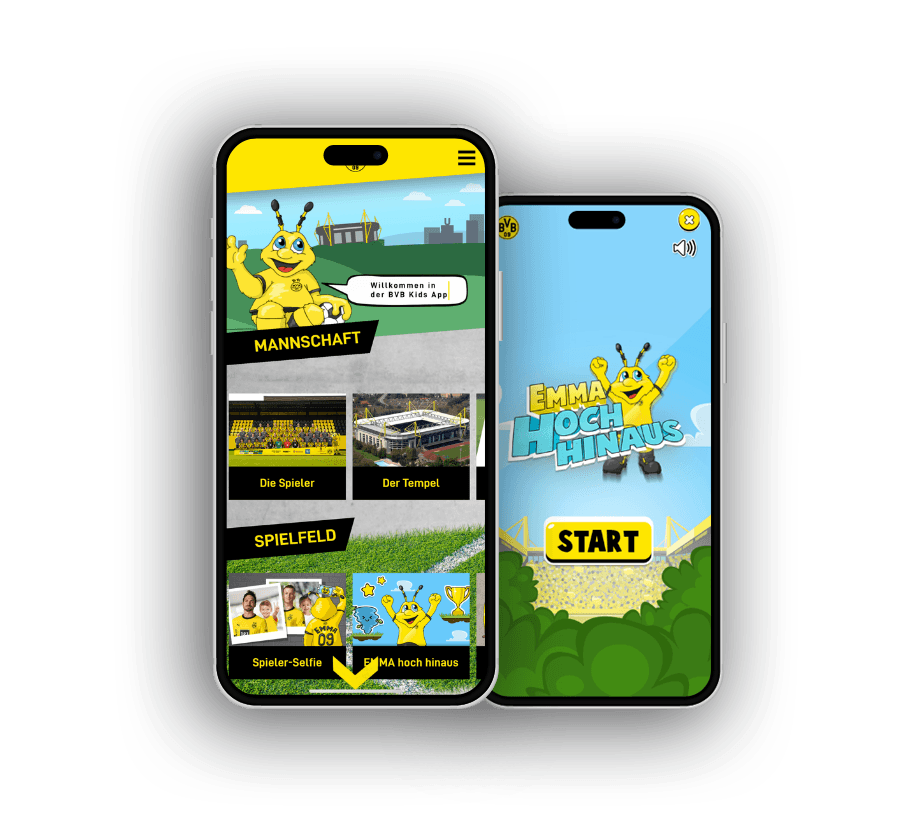

- The majority of your users have disabled push notifications because they find them intrusive.
- Your chat feature lags several seconds behind – users complain it does not feel real-time.
- Push delivery rates are low and you cannot tell whether it is a technical or an opt-in problem.
Push Infrastructure
Reliable push notifications require more than a single API call. They need a complete infrastructure: server-side delivery via APNs and FCM, token management, segmented audiences, and retry logic for failed deliveries. That way notifications arrive even when the app is in the background or not currently active.
Opt-in Strategy
Aggressive push messaging loses users. A thoughtful opt-in logic relies on contextual explanation before the system prompt, granular settings per notification type, and easy management inside the app profile. Users who consciously opted in open notifications far more often.
Realtime Connections
Chat, collaborative features, live scores, or real-time status updates require persistent connections. A WebSocket or SSE-based realtime infrastructure has to scale with the app, handle graceful reconnects, and work efficiently with mobile network conditions.
Offline Handling
Realtime features must also behave sensibly offline. Local queues buffer changes and synchronise them on reconnect – so users on weak connections do not walk into a broken app experience.
Realtime approach: WebSockets vs. Polling
Many apps rely on polling by habit – the app requests updates at fixed intervals. WebSocket-based connections are the better choice whenever latency and resource consumption matter.
| Polling | WebSockets | |
|---|---|---|
| Latency until update | Interval-dependent (seconds) | Immediate (milliseconds) |
| Server load with many clients | High – every client polls constantly | Low – push only on change |
| Battery drain on mobile | Elevated due to continuous requests | Efficient via persistent connection |
| Offline reconnect & missed messages | ✗ – missed updates are lost | ✓ – reconnect logic catches up |
| Suitable for chat and collaboration |
WebSockets enable bidirectional communication and are more resource-efficient than short polling intervals.
Success factors for push notifications
Relevance, not frequency, determines whether users keep push enabled. These factors define how much influence each has on long-term opt-in rates.
- Content relevanceIrrelevant notifications lead directly to opt-out
- Opt-in moment (timing of request)Ask for permission after value is experienced, not on cold start
- Frequency control & throttlingToo many pushes increase unsubscribe rate
- Recipient segmentationTargeted notifications perform better
- Technical delivery rate (APNs/FCM)A prerequisite, but not a differentiator on its own
Relative weighting
Sending too early or too often loses the channel permanently – silence is sometimes the best push strategy.
What matters for Push Notifications & Realtime
What truly matters with push is relevance, not frequency. Every notification a user does not find useful brings them closer to the point where they switch push off entirely, and then the channel is lost for good. That is why good push setups segment, time, and throttle deliberately, because the most valuable push strategy is the one that sometimes stays silent.
Realtime only feels like real time when the frontend does not wait for the server's confirmation. Optimistic updates, where the UI reacts immediately and corrects itself only in the rare error case, are what make seconds of latency invisible. A technically fast connection that still waits for every response feels slow.
The invisible work lies in connection management. Mobile devices switch networks, go to the background, and come back, and a robust realtime layer must handle reconnects, missed messages, and ordering cleanly. Polling as a naive substitute drains battery and server without solving this; WebSockets with thought-out reconnection logic are the more robust choice here.
And both push and realtime stand or fall on the opt-in. Low delivery rates are rarely a pure technical problem; usually they follow from a poorly chosen moment when you ask for permission. The better time to ask is once the user has just experienced the value, not at first launch – and processing has to comply with GDPR.

APNs and FCM Infrastructure
Professional push notifications run through Apple Push Notification Service and Firebase Cloud Messaging. They need a server-side infrastructure that manages tokens, tracks deliveries, and handles errors automatically.
Realtime Without Polling
Polling – the app repeatedly asking for updates – drains battery and burdens servers. WebSocket-based realtime connections deliver updates instantly and are more resource-efficient than a naive polling interval.
Privacy-Compliant
Push notifications and realtime data must be processed in compliance with GDPR. That takes privacy-compliant opt-in flows and a rule not to persist personal data unnecessarily.
Relevance over frequency
With us you're always one step ahead technologically and tap directly into our extensive app development expertise. We take a close look at your app idea, identify key success factors and create tailor-made applications. Your visions and goals are at the heart of our joint project work.
Expert knowledge in app technologies
React Native, native iOS and Android development: we pick the stack to fit your project, not our preference.
Comprehensive user experience know-how
Intuitive operation and seamless interactions decide ratings and how long users stay in the app.
Proven track record
Published apps in the App Store and Play Store, from MVP to mature platform.
Versatile team
Concept, design, development and backend come together in one team that works without interface friction.
Long-term partnerships
We stay after launch and keep evolving your app with maintenance and updates.


Frequently asked questions
Your question isn't here? Ask us directly
How do I stop users from disabling notifications?
Through relevance and timing. Notifications that arrive at the right moment and deliver real value get kept. We help you develop a notification strategy that informs users rather than annoys them.
What is the difference between WebSockets and push notifications?
Push notifications work even when the app is closed – they are delivered by the operating system. WebSockets are persistent connections within an active app session – ideal for chat or real-time collaboration.
Do push notifications scale as user numbers grow?
Yes, when the infrastructure is built correctly. Specialised push services handle millions of deliveries efficiently, and batching strategies take the load off mass sends.
Last updated on
READY FOR YOUR APP THAT SETS NEW STANDARDS?


Related articles from our blog