

Email Marketing and Automation

Email is the only channel where you truly own your audience — no algorithms, no reach loss from platform changes.
Email Marketing You Actually Own
We build email programs that automatically send the right message at the right moment: welcome sequences that activate new contacts, cart-abandonment flows that recover revenue, and newsletters people actually open. Clean segmentation, continuous testing, and GDPR-compliant processes turn your email list into a reliable, scalable growth lever.
The essentials of Email Marketing and Automation
- We build email programs that automatically send the right message at the right time: welcome sequences, cart-abandonment flows, and newsletters people actually open.
- Email is the only channel you truly own – no algorithm, no reach loss from platform changes – which demands care and relevance.
- The biggest lever is automated flows: built cleanly once, they then work for every new contact without anyone lifting a finger per send.
- We segment by purchase history, interests, engagement level, and lifecycle stage, because relevance protects the engagement rate and therefore the deliverability of the whole list.
- With double opt-in, clean consent management, and GDPR-compliant processes we ensure your emails land in the inbox at all.




Real Marketing Successes
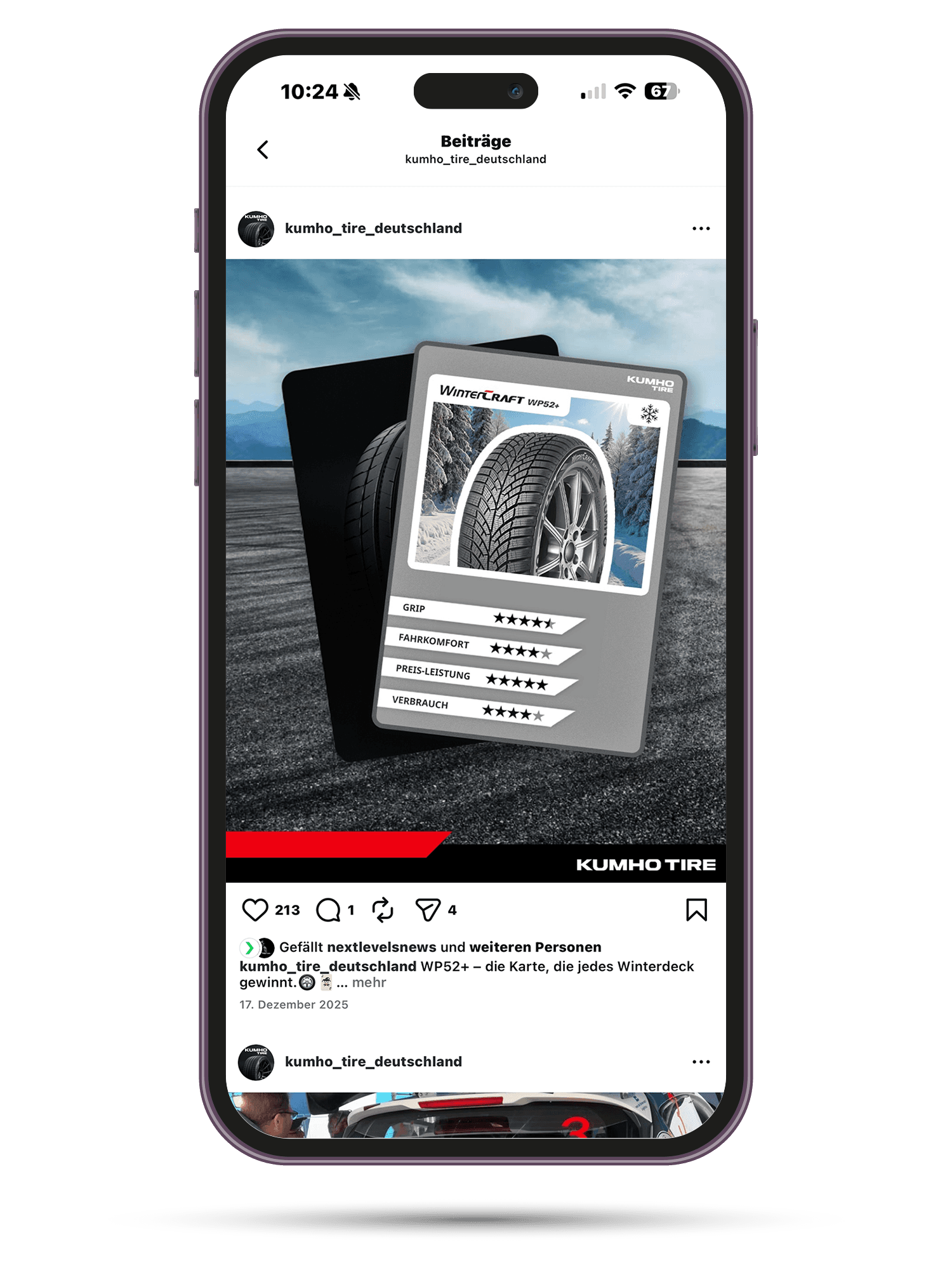
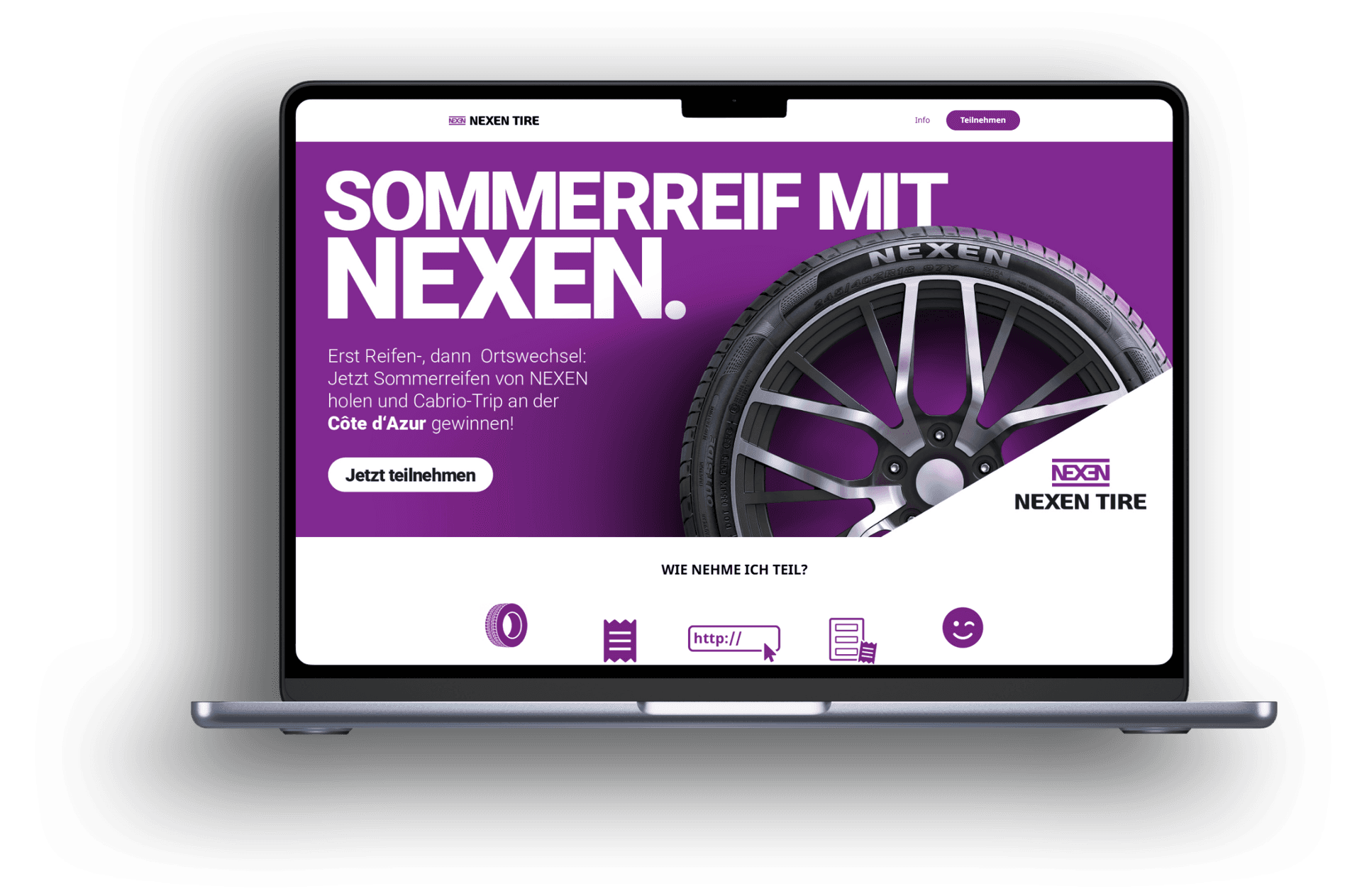

- You send newsletters occasionally, but open rates and click-throughs fall well short of what you'd expect.
- New contacts enter your list and then hear nothing — there's no automated welcome or nurturing sequence.
- You know cart abandoners are reachable, but there's no functioning abandonment flow set up.
Email Marketing and Automation: services in detail
- Marketing AutomationMarketing automation means the right message, at the right time, to the right person – fully automatically. We design and build automation workflows that activate new contacts, guide prospects through the funnel and retain existing customers. Once set up, these sequences run permanently in the background and generate results without manual effort on every send.Learn more
- CRM and Lifecycle EmailsExisting customers are your most valuable segment – and the most frequently neglected. We connect your CRM to your email system and build lifecycle campaigns that accompany customers at every stage: from first purchase through repeat buying to reactivation. Relevant, well-timed communication increases customer lifetime value without a new acquisition budget.Learn more
Newsletter marketing
A newsletter that gets opened is not luck – it is the result of relevance, good timing and a clear message. We design and run newsletter programmes that activate your list rather than annoy it: segmented campaigns, tested subject lines and content your subscribers actually anticipate. No mass sends, no hollow clicks. If you want to connect newsletters and flows into journeys, see marketing automation.
Strategy and Editorial Planning
We plan newsletter campaigns with a clear goal per send: sales, retention, information or reactivation. Every newsletter has a prioritised core message, a clear CTA and a send time aligned to your audience – not to internal calendars.
Segmentation and Personalisation
The same message for everyone lowers open rates and increases unsubscribes. We segment your list by purchase history, engagement level, interests and lifecycle stage – and develop variants that speak to each group with relevant content.
Copywriting and Design
Subject line, preheader, headlines and CTA copy determine open and click rates. We write texts that create curiosity without deceiving, and design mobile-optimised layouts that render correctly on all email clients and screen sizes.
Testing and Optimisation
We test systematically: subject lines, send times, content order and CTAs. A/B tests run over sufficient sample sizes so winning variants are based on a robust result – not on first impressions.
How we build your email programme
From an empty list to running automations, we follow a defined sequence — each phase lays the groundwork for the next.
Audit & Strategy
Stocktake of list health, tool setup and past performance. Target groups, lifecycle stages and segmentation logic are defined.
Technical Setup & Compliance
Double opt-in, consent management, SPF/DKIM/DMARC configuration and GDPR-compliant processes — deliverability foundation before the first send.
Automation Build
Welcome sequence, cart-abandonment flow and re-engagement track are built, tested and activated.
Segmentation & Content
Recipients are split by purchase history, interest and lifecycle stage. Newsletter templates and copy are created for the channel.
Testing & Iteration
A/B tests on subject lines, send times and content. Open and click rates steer continuous adjustments.
Flows built in phase 3 run continuously; phase 4 optimises them on an ongoing basis.
Where effort sits in an email programme
A well-built email programme does not spread effort evenly — automations and segmentation carry the largest share because they compound over time.
- Automation FlowsWelcome, abandonment, re-engagement
- Segmentation & List HygienePurchase history, lifecycle, inactives
- Content & TemplatesNewsletters, copy, design
- Technical Setup & ComplianceDOI, DMARC, consent
- Testing & AnalysisA/B tests, reporting
Relative weighting of setup effort; automations pay back with every new contact added.
What matters for Email Marketing and Automation
The real value of email is that you own the channel, and that is exactly what demands care. A list isn't a broadcast distribution but a stock of trust that you shrink with every irrelevant email. Treat everyone the same and you train your recipients to stop opening, and you pay for it later with falling deliverability. Relevance here is not a nice-to-have but asset protection.
The biggest lever is the automated flows, not the next newsletter. A welcome sequence catches contacts at the moment of peak attention, an abandoned-cart flow recovers revenue that would otherwise be lost. You build these flows cleanly once and they then work for every new contact without anyone lifting a finger per send.
Segmentation is the difference between an email that's expected and one that's deleted in annoyance. Splitting by purchase history, lifecycle stage, or interest costs effort in setup, but it protects the engagement rate and therefore the deliverability of the entire list.
Finally, technical hygiene decides everything else. Double opt-in, clean consent management, and consistently sorting out the permanently inactive aren't bureaucracy but the precondition for your emails landing in the inbox at all.
Your channel, no algorithm
Unlike social media or organic search, your email list belongs to you entirely. Platform changes, algorithm updates, or account suspensions have no bearing on whether your message reaches the inbox.
Segmentation increases relevance
Sending the same content to every contact lowers engagement and raises unsubscribe rates. Segmenting by purchase history, interests, or lifecycle stage produces more relevant messages and protects list health at the same time.
Automations run continuously
Once built, flows — welcome sequences, cart abandonment, re-engagement campaigns — generate results continuously without manual effort per send. The one-time setup investment pays back with every new contact that joins the list.
Emails that land and convert
Email is the only channel you truly own. We build automated flows that generate revenue around the clock — GDPR-compliant and measurable.
Revenue while you sleep
Automated revenue flows generate sales around the clock.
Higher open rates
Clean segmentation delivers relevant content at the right time.
Fewer abandonments
Well-timed reminders bring carts back.
GDPR-compliant
Processes that protect deliverability and trust.

Which channels fit your project?
Describe your project in two or three sentences – the Marketing Mix Finder recommends a go-to-market strategy, three channels to start with and their budget share, and tells you which ones to skip.
Find your mixFrequently asked questions
Your question isn't here? Ask us directly
Which email marketing platforms do you work with?
We work with the leading platforms including Klaviyo, Brevo, Mailchimp, and ActiveCampaign — selected based on your requirements, budget, and existing tech stack. For Shopware shops we often prefer Klaviyo for its deep e-commerce integration, but we adapt to tools you already use.
How do you build an email list if you're starting from scratch?
Lead magnets, exit-intent popups, contact forms, and checkout opt-ins are the most common entry points. The key is a clear value proposition for signing up. We help you implement the right mechanisms and build your list cleanly and GDPR-compliantly from the start.
How often should you email your list?
It depends on your industry and audience. B2C e-commerce often benefits from one to three emails per week; B2B audiences typically respond better to less frequent but more substantive content. Relevance matters more than frequency — over-sending erodes your list quality.
What's the difference between a newsletter and an automated flow?
A newsletter is manually sent to a segment at a specific time — it's campaign-based. An automated flow is triggered by user behavior, such as a sign-up, a purchase, or a cart abandonment. Flows run permanently in the background and typically deliver stronger performance than one-off sends.
How does email marketing affect deliverability?
Deliverability depends on sender reputation, list quality, engagement rate, and technical configuration (SPF, DKIM, DMARC). We set these foundations up correctly from day one and maintain list hygiene through regular cleaning — so your emails land in the inbox, not the spam folder.
How do you ensure newsletters land in the inbox and not spam?
Deliverability depends on sender reputation, list hygiene, engagement rate and technical configuration. We correctly set up SPF, DKIM and DMARC, regularly remove inactive contacts and start new sending domains with a controlled warmup process.
Last updated on
READY TO REDEFINE YOUR BRAND WITH SMART DIGITAL MARKETING?


Related articles from our blog