
SEO and GEO

Good visibility is no bag of tricks – it's the result of clean tech, relevant content and credible authority.
SEO and GEO: Visible Everywhere That Matters
And today it no longer ends at Google: your customers also ask ChatGPT, Perplexity and Gemini. We make you visible in both worlds – with classic SEO for top rankings and GEO (Generative Engine Optimization) so your brand gets cited as a source in AI answers. Analysis, strategy and execution come from a single source – without dependence on ad budgets.
#1 – Largest SEO specialists in the Lower Rhine 2026by revenue · Niederrhein Manager
The essentials of SEO and GEO
- We make you visible in both worlds: classic SEO for top rankings on Google and GEO so your brand is cited as a source in AI answers from ChatGPT, Perplexity, and Gemini.
- Both share the same root: a page Google can't crawl cleanly is also one an AI system can't cite – which is why we start with technical SEO as the foundation.
- We map every term to its search intent and build the right page for it, because transactional terms with medium volume often bring more conversions than high-volume keywords.
- For GEO we work deliberately on citability: clear definitions, sourced statements, clean lists, schema markup and – where sensible – an llms.txt for AI crawlers.
- Because we also do web development, we implement technical fixes directly in the code and combine tech, content depth, and authority over months – without dependence on ad budgets.




Real Marketing Successes
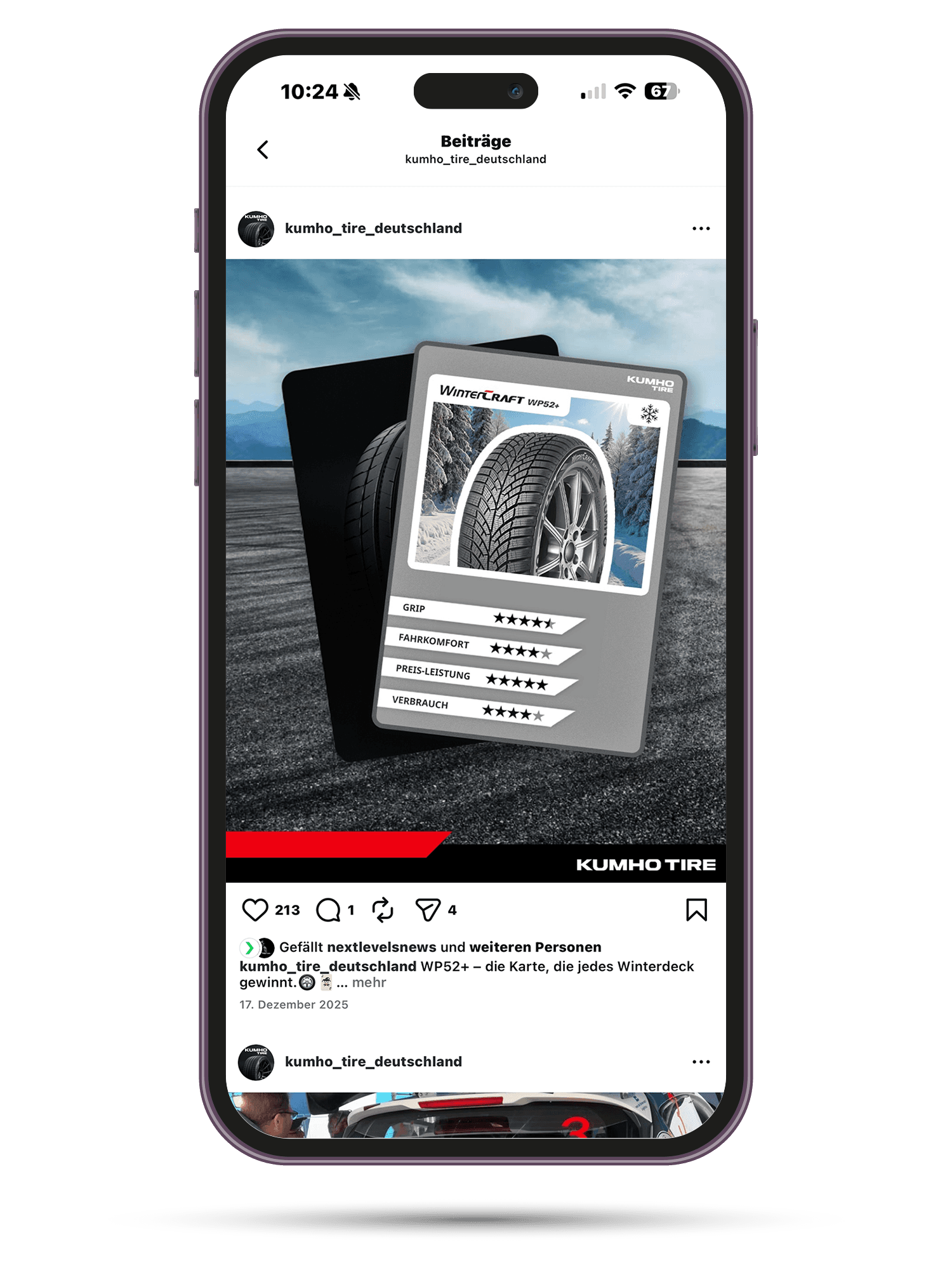


- Your site barely appears on Google, even though potential customers search for exactly your services.
- Your brand doesn't show up as an answer in ChatGPT or Perplexity – but your competitors do.
- Every measure you've tried so far – new texts, meta tags – has brought no noticeable change.
SEO and GEO: services in detail
- Technical SEOEven the best content achieves nothing if Google cannot cleanly crawl and index it. We conduct a thorough technical SEO audit and fix issues that systematically undermine rankings: page speed, crawl errors, duplicate content, missing structured data and indexing problems. Because we also do web development, we implement fixes directly in code – no long ticket queues.Learn more
- Content SEORankings come from content that answers real questions better than everyone else. We develop a content strategy based on systematic keyword research and produce articles, landing pages and guides with measurable SEO value. The focus is not keyword density – it is search intent, depth and a structure that both Google and AI systems recognise as a citable source.Learn more
- Local SEOWhen customers in your city search for your service, you need to be right at the top – in the Map Pack and in the organic results. We optimise your Google Business Profile, build local citations and create location-relevant content that makes you visible for geographically restricted searches. For local businesses, local SEO is often the fastest route to new customers.Learn more
The GEO pyramid
Visibility in generative search is built in four layers — each one carries the next. From the technical foundation through authority and citability to presence in the AI answers themselves.
Visible in AI answers
Cited in ChatGPT, Perplexity and Google AI Overviews.
Citable answers
Clear, fact-based content that AI can quote directly.
Topical authority
Depth, expertise and E-E-A-T signals across the whole topic.
Technical foundation
Crawlability, structured data and a clean site architecture.
From technical foundation to visibility in AI answers — every layer builds on the one beneath it.
What matters for SEO and GEO
Visibility on two fields shares the same root: a page Google can't crawl cleanly is also a page an AI system can't cite. That's why serious SEO never starts with copy but with the technical question of whether your content is even accessible, indexable, and machine-readable. Skip that, and you're optimizing a door that's locked to crawlers.
The next lever is the intent behind the search. A high-volume keyword is worthless if the people behind it want something other than what you offer. Good work maps every term to an intent and builds the right page for each intent, instead of throwing everything into one pot. Transactional terms with moderate volume often beat the big headline keywords.
GEO isn't a second channel but a discipline that extends SEO: you work deliberately on citability. Clear definitions, sourced statements, clean lists, and structured data increase the odds that ChatGPT or Perplexity pulls exactly your passage as an answer. Brands get cited when they are a distinct, verifiable entity, not when they are loud.
What separates solid from poor SEO is patience plus consistency. Isolated moves like a new meta tag change nothing. Only the combination of technical health, content depth, and credible authority sustained over months produces rankings that don't depend on ad budget.
Related goal: More leads & visibility
SEO in the region: SEO agency Düsseldorf, SEO agency Mönchengladbach
Search intent decides
High search volume alone doesn't make a keyword valuable. What matters is the intent behind it: transactional terms with medium volume often bring more conversions than high-volume informational keywords.
Tech is the foundation for search and AI
Well-written texts have no effect if Google can't crawl the page cleanly – and AI systems can only cite your brand if their crawlers have access via robots.txt and headers. Tech is the prerequisite for both channels.
Citability can be designed
Clear definitions, lists, evidence and structured data raise the chance that AI systems pull exactly your passage as an answer. GEO isn't luck but deliberate work on structure and authority.
Found by search and AI
Visibility no longer ends at Google — your customers also ask ChatGPT and Perplexity. We make you findable in both worlds, technically clean and measurable.
More organic traffic
Sustainably more qualified visitors without media budget.
Visible in AI answers
Presence in ChatGPT, Perplexity and AI Overviews.
Technically clean
A site that Google and AI crawlers read effortlessly.
Less dependency
Organic reach reduces your paid load.


Free guide
GEO Guide for SMEs
How mid-sized companies become visible in AI answer engines like ChatGPT, Perplexity and Google AI Overviews – explained hands-on, with a concrete checklist to get started.
DownloadFrequently asked questions
Your question isn't here? Ask us directly
What's the difference between SEO and GEO?
SEO (Search Engine Optimization) optimizes your visibility in classic search engines like Google – the goal is rankings and organic traffic. GEO (Generative Engine Optimization) aims to be cited as a source in the answers of generative AI systems like ChatGPT, Perplexity or Google AI Overviews. The fundamentals overlap heavily: clean tech, clear structure and credible content benefit both channels.
Is GEO worth it yet, or is it future music?
It's already worth it. A growing share of searches is answered by AI systems, and whoever shows up there as a source gains visibility before competitors catch up. The effort is manageable because GEO builds on the same foundation as good SEO – it complements rather than replaces it.
How long until SEO measures show results?
Technical fixes and on-page optimizations can take effect within a few weeks. For significant ranking improvements on competitive keywords we realistically expect three to six months of consistent work. In return the effect is sustainable and independent of ad budgets.
Does SEO/GEO make sense for my online shop?
Definitely. Category and product pages can be optimized for transactional keywords, and a well-built blog brings informational traffic and builds authority. That very depth is also what AI systems prefer as a citable source.
What's the difference between on-page and technical SEO?
On-page SEO refers to content, structure and linking within your pages – everything a user sees and search engines value as relevant content. Technical SEO addresses the infrastructure behind it: crawlability, load times, indexing control and structured data.
Does AI-generated content hurt SEO performance?
Poorly used AI content without review, factual basis or editorial work can indeed hurt. We use AI as a production aid, not a replacement for expertise – the finished content is always checked for quality, originality and search intent.
Last updated on
READY TO REDEFINE YOUR BRAND WITH SMART DIGITAL MARKETING?


Related articles from our blog